
Paint chips are only part of the picture
Children may be exposed by chewing painted surfaces or swallowing paint flakes. Lead dust can also get onto hands and objects that children put in their mouths. You may never have seen a child eat paint.

Elevated lead levels?
Understand your legal options.
Has your child tested high for lead? Concerned about peeling paint or developmental difficulties? Our New York law office reviews these concerns and helps families understand their legal options. We also review adult lead exposure.
Free consultation. No obligation.
A high blood lead result. Peeling paint in a home. Concerns about your child’s speech, learning or development. You do not have to face these questions alone. We listen to your concerns and help you understand the next legal step.

Children may be exposed by chewing painted surfaces or swallowing paint flakes. Lead dust can also get onto hands and objects that children put in their mouths. You may never have seen a child eat paint.
Lead exposure can affect a child’s development, learning and behavior, sometimes without obvious early symptoms. A blood test alone does not establish the cause of every developmental difficulty; the records and appropriate professional evaluation matter.
Tell us about the test results, your concerns and where exposure may have happened. We can discuss the records you already have and whether a further legal review is appropriate.
We discuss who was exposed, what you know about the source and your concerns. You can ask questions about a possible claim and the initial review. You do not need a complete file to arrange a consultation.
If further review is appropriate, we explain which documents and authorizations are needed. We consider medical and developmental records, the exposure timeline, property information and available inspection results to assess possible responsibility.
For a potentially viable case, we may arrange an independent medical or neuropsychological evaluation and consult qualified environmental specialists. The type and timing of any assessment depend on the evidence and the needs of the case.
We explain our assessment and whether we believe there is a basis to proceed. If we agree to represent you, we discuss the terms and work toward appropriate compensation through negotiation or litigation, depending on the case.
Questions about a possible lead poisoning case?Call for a free consultation.
(718) 305-4430Our office can review the documents you already have. With the necessary permissions, we can also discuss obtaining relevant records. Bring what is available; an incomplete file should not stop you from calling.
Blood lead test results and dates, pediatric or other treating-provider notes, follow-up records and specialist reports.
Existing speech or developmental evaluations, early-intervention records, school assessments and an IEP, if there is one.
Leases or address history, photographs you already have, agency inspection or lead-testing reports, repair requests and communications with a property owner.
Where and when exposure may have occurred, when concerns first arose, and any related letters, notices or expense records. For adults, relevant workplace or product information may also help.
Use the form for contact details and a short, non-confidential overview. After we speak, our office will explain how to share records and any required authorizations. Please do not upload or paste medical records into this initial form.
An exposure source is not always obvious. Our office investigates the circumstances and evidence behind each potential claim.

Deteriorating lead-based paint and contaminated dust can create exposure risks in older buildings.

Renovation and certain industrial activities can release lead dust or carry contamination into a home.

Some ceramics, toys and other consumer products may be sources of lead exposure.
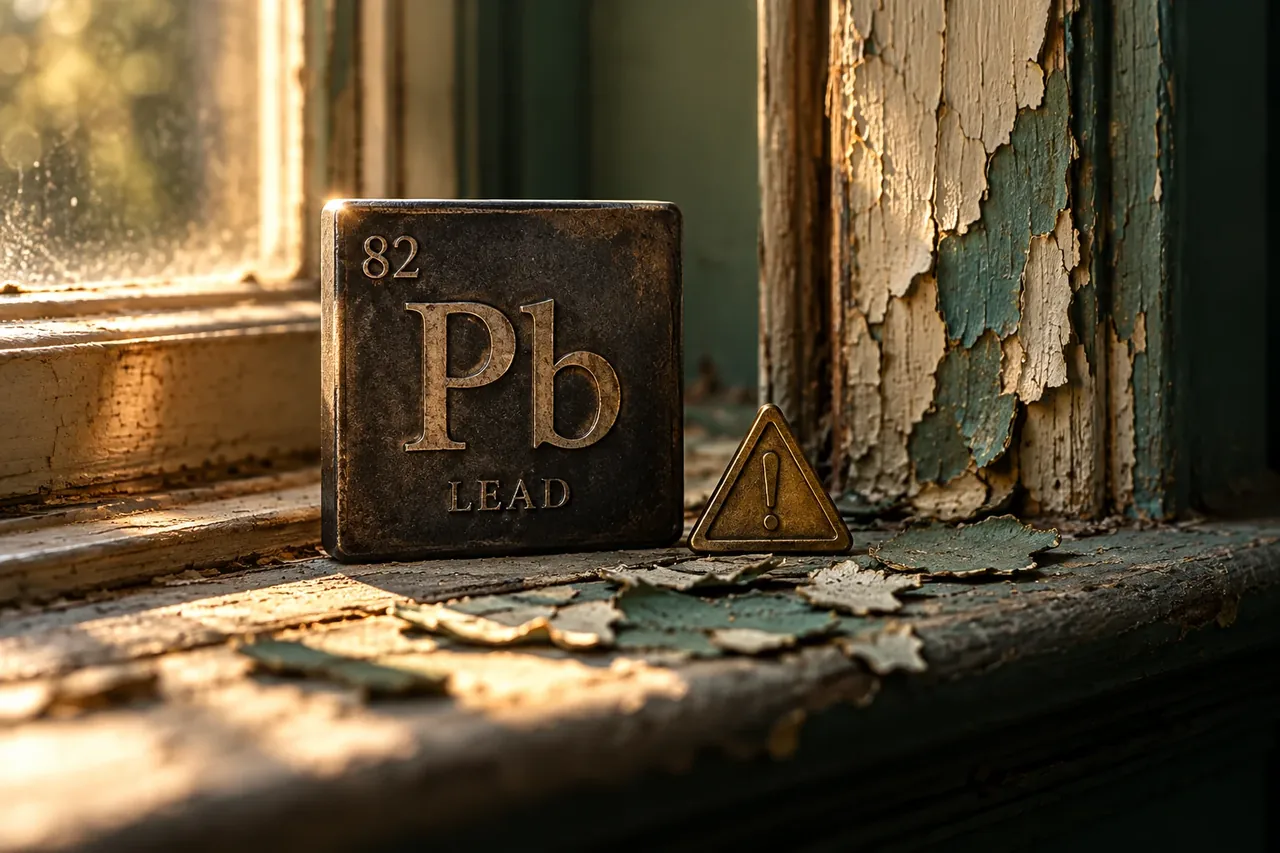
Lead is a toxic metal. In older homes, deteriorating lead-based paint can become chips and dust that expose children and families to harm.
Understanding the source is an important step. Our office reviews the evidence and helps you understand your legal options.
Public health guidance from the Centers for Disease Control and Prevention.
The CDC reports that no safe blood lead level in children has been identified. Even low levels can be harmful.
Homes built before 1978 may contain lead-based paint. Deteriorating paint can release chips and dust that expose children to lead.
The CDC’s childhood reference value is 3.5 µg/dL. It guides follow-up, rather than defining a safe level or deciding whether there is a legal claim. Discuss results with a healthcare provider.
Read the original CDC guidance:

Leadpoisoning.us is the lead exposure practice website of the Law Offices of Tanya Gendelman, P.C., a New York personal injury firm handling lead poisoning matters.
Your concerns deserve to be heard. We take time to understand what happened, review the records and explain the legal options for children, families and adults affected by lead exposure.
Our goal is to pursue the full compensation supported by the evidence and applicable law. Depending on the case, this may include medical expenses, needed future care and other legally recoverable losses. Outcomes depend on the individual facts; compensation is not guaranteed.
Our practice was established in 1999. Consultations are free, and each potential case is considered on its own facts.
Every situation is different. We can discuss the details of yours during a free consultation.
Yes. Childhood lead exposure can affect development, learning, behavior and speech. The effect on an individual child and its possible causes need careful assessment. Discuss health concerns with your child’s healthcare provider; our office reviews the legal questions separately.
Blood tests measure lead in micrograms per deciliter (µg/dL). The CDC’s childhood blood lead reference value is 3.5 µg/dL. This helps guide public-health follow-up; it is not a safe level or an automatic test for whether a legal claim can proceed.
New York Public Health Law § 1370(6) defines elevated levels as 5 µg/dL or a lower level set by regulation. NYC guidance recommends follow-up for children at 3.5 µg/dL and above. These public-health figures serve different purposes from an attorney’s case assessment.
Our office considers the test results and dates, possible exposure source, evidence of harm, responsibility and applicable law. A number alone does not establish a claim or guarantee representation. Discuss the health meaning of any result with your healthcare provider.
Sources: CDC reference value; NY Public Health Law § 1370; NYC childhood lead guidance.
No. A child may chew a painted surface or swallow paint flakes, but lead-contaminated dust on hands and objects can also be swallowed. Not seeing a child eat paint does not rule out exposure.
Potential responsibility depends on the property, the evidence and applicable law. We can review available inspection results, repair requests, notices and the exposure history. Responsibility is not automatic.
Start with what you have. During the consultation, we explain which documents may be useful and how relevant records may be obtained with the required permissions. Do not send medical records through the initial contact form.
It depends on the evidence. For a potentially viable case, an independent medical or neuropsychological evaluation may help assess the concerns and possible causes. Any assessment is considered individually; it is not automatically arranged for every inquiry.
Yes. We also review adult exposure involving work, housing or products. Tell us briefly what happened so we can discuss whether a legal review may be appropriate.
Yes. Consultations with our office are free. We can discuss your circumstances, the available records and potential legal options. If representation is offered, we explain the terms before you decide whether to proceed.
Fill out the form below or call (718) 305-4430. Our office will contact you to discuss arranging a consultation with an attorney. Use the form for a brief overview; we will explain how to provide documents after we speak.
Start with your contact details and a brief overview. An attorney can discuss what happened, the records you already have and whether the circumstances may support a claim.
Serving New York City, Long Island and the rest of New York State, as well as nearby communities in New Jersey.
Call our office(718) 305-4430
Office locationOffice hours
Monday to Friday: 10 AM to 6 PM
Saturday & Sunday: Closed
Tell us briefly what happened.